Biodiversity
Climate change threatens the health of ecosystems on which we and all other species depend. Preserving and restoring these ecosystems will help ensure the continued availability of the many industrial resources, foods and medicines that originate in biological resources.
Supporting biodiversity
Cramlington, UK
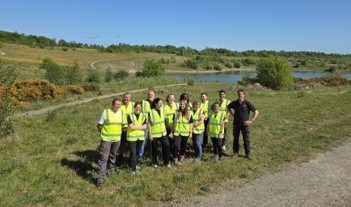
Our Cramlington manufacturing site continued its collaboration with Groundwork NE in 2025 to support nature restoration, community well-being and climate action. Organon volunteers planted saplings at Pegswood Community Park, helping to restore local green spaces and promote long-term environmental sustainability.
Heist, Belgium
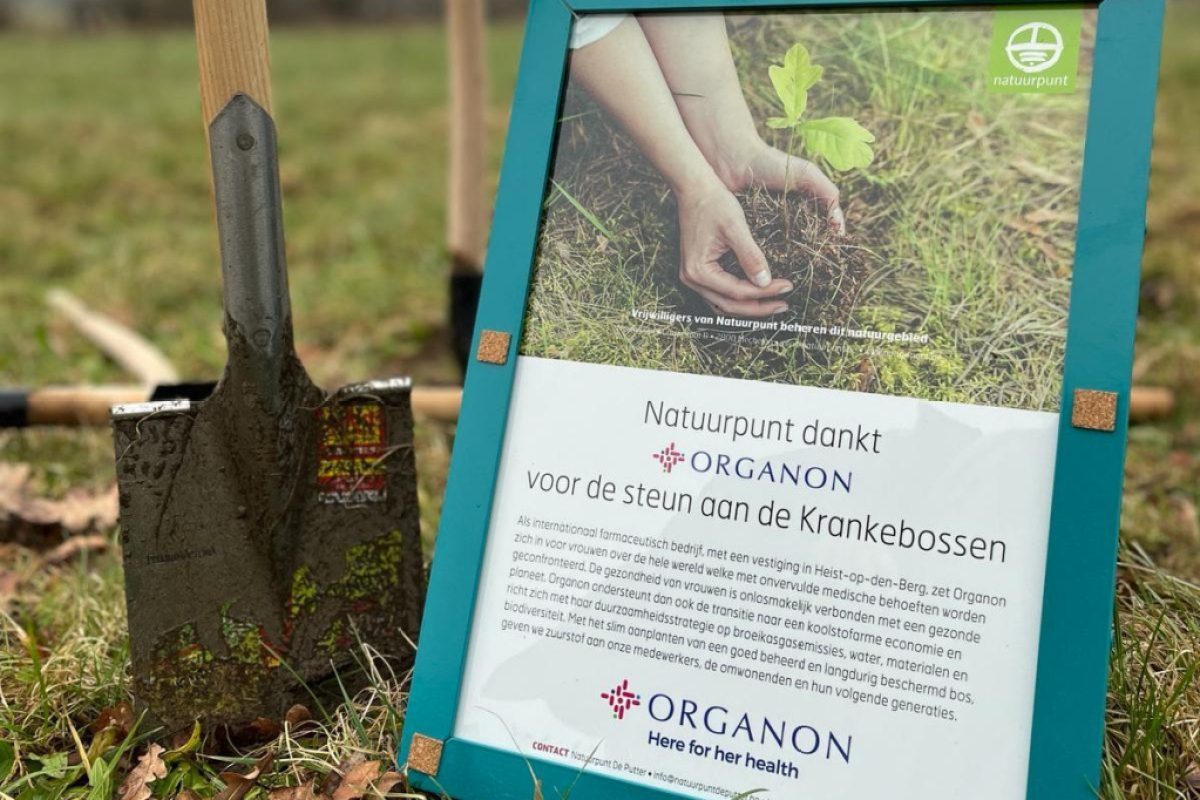
Our Heist production site continued its Earth Day tree-planting initiative in 2025, committing to plant one tree for every Earth Day activity a Founder participates in. This effort resulted in 2,665 trees planted in 2025 alone, bringing the total to 9,142 trees planted since 2023. Located near the Heist production site, these Earth Day forests connect to a larger protected natural area, expanding habitat continuity for local wildlife and strengthening the surrounding ecological network. Publicly accessible, the site serves as both a green legacy and a space where nature and communities meet.
Oss, Netherlands
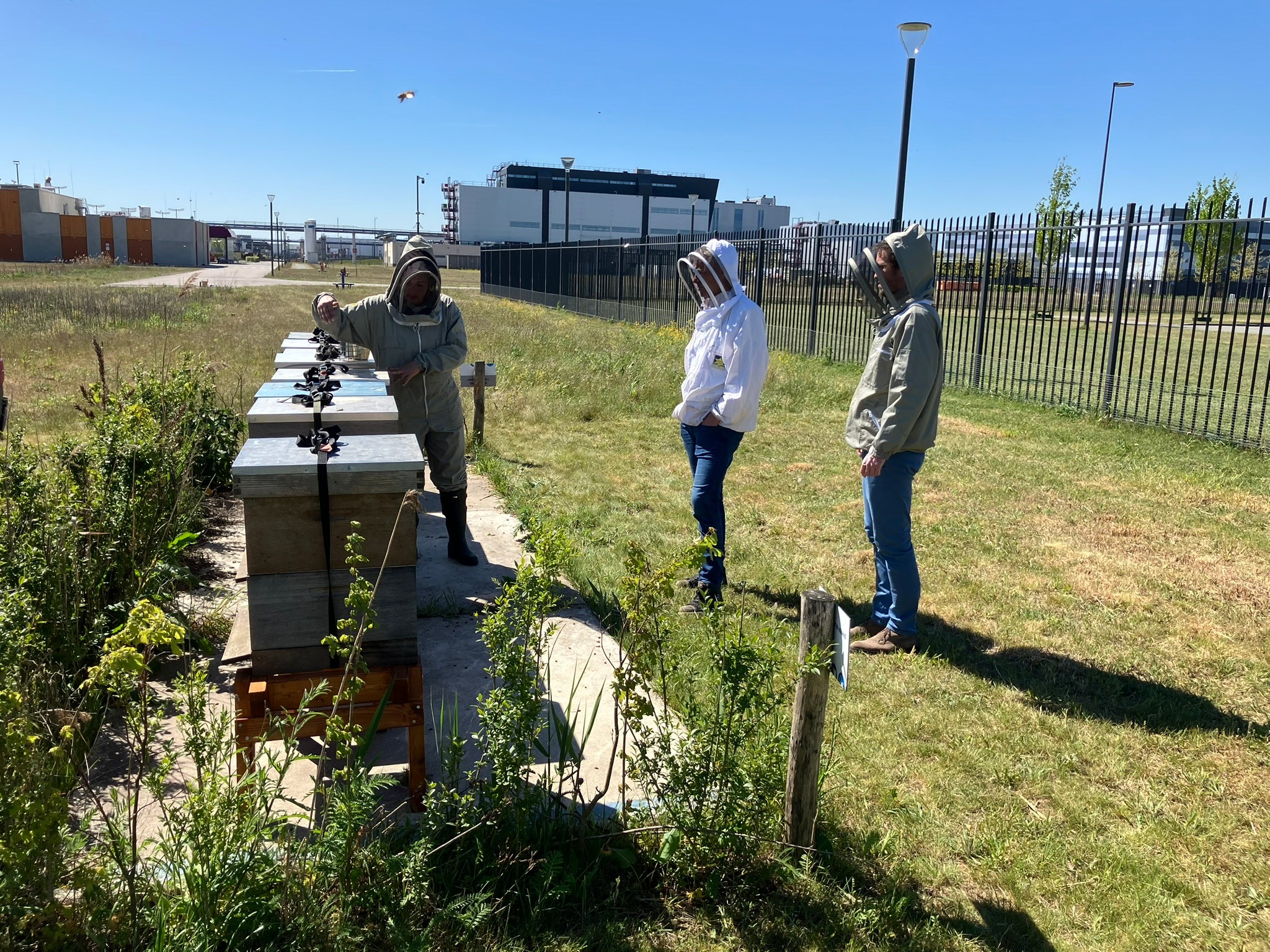
At our Oss site, beehives were introduced at the De Geer location to support local pollinator populations. Following the renovation of the KA office building at the Moleneind site, bat boxes and swift nests were also installed to provide a habitat for local wildlife.
Pandaan, Indonesia
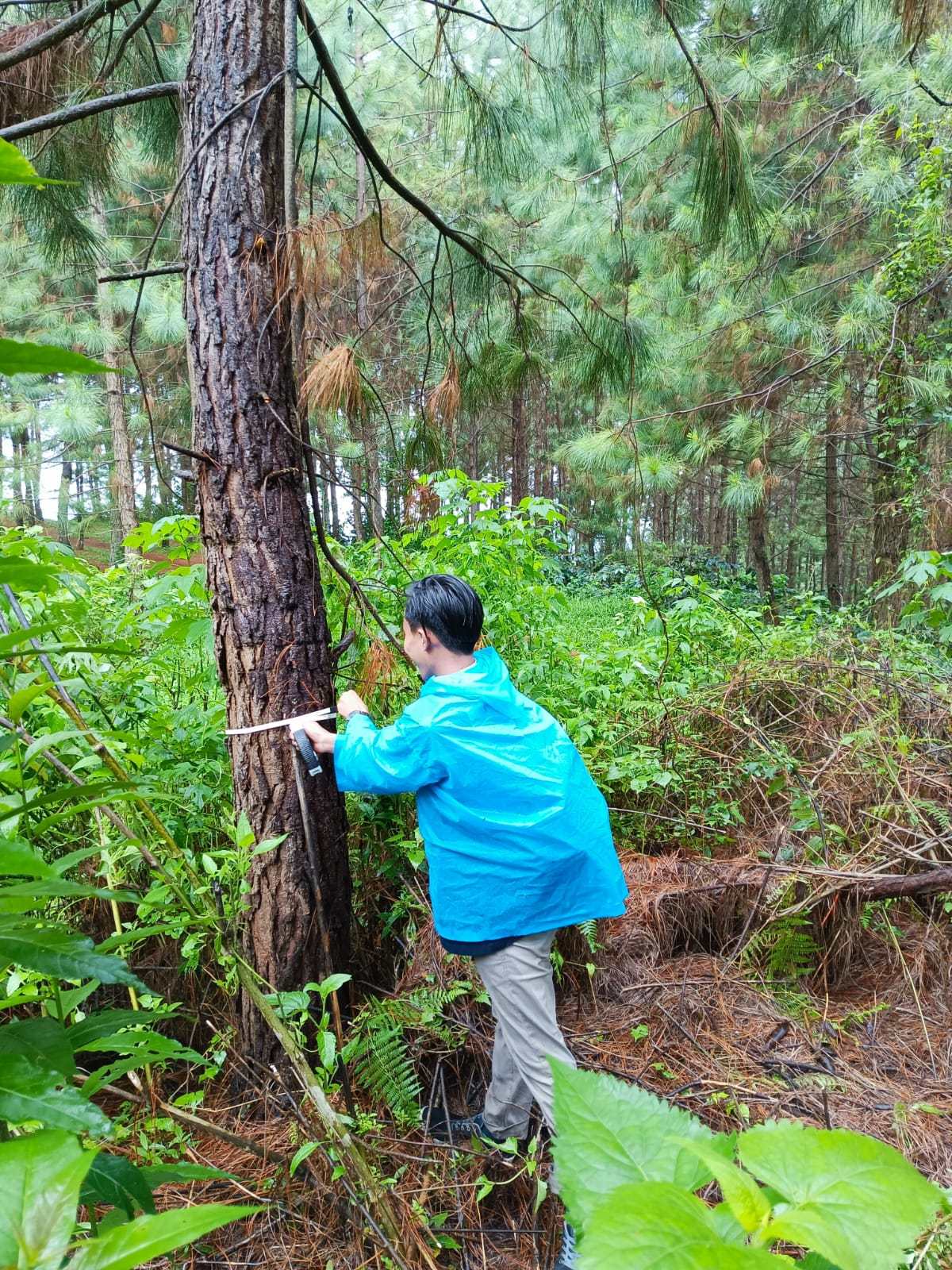
In 2025, our Pandaan manufacturing site completed a carbon sequestration assessment covering both the Seroto Block conservation area in Jatiarjo and the site’s own green areas. The study estimated total carbon sequestration of 462.56 tons of carbon dioxide equivalent (tCO₂e) in the conservation area and approximately 95.55 tCO₂e in the factory green area, providing quantified evidence of the long-term climate and biodiversity value of these initiatives.
Campinas, Brazil
Our Campinas site, located within an Environmental Protection Area along the banks of the Atibaia River, planted 415 native species along the river margins in 2025 as part of an ongoing program to remove invasive species and restore native biodiversity. The site has also conducted a bird monitoring program spanning more than two years, recording over 128 species in the surrounding vegetation.
For more information on our strategy, goals and progress, please see our ESG Executive Summary in the ESG reporting center.
Pharmaceuticals in the environment
Organon is committed to the highest ethical standards – every day, in everything we do.
We approach managing pharmaceuticals’ impacts on the environment through collaboration, use of technical best practices and transparency. We are taking action to minimize the environmental impact of our products and support positive change for a healthy planet, which is essential to the health of women.

We actively assess potential environmental risk from product development through the manufacturing process and certain aspects of patient use. We collaborate both internally and externally to support continued research to manage pharmaceuticals in the environment by contributing toward and using industry best practices, tools and resources. In addition, we support increased transparency to share research and innovations to evaluate and mitigate the potential environmental impacts of our products through their full life cycle.
Learn more about our work regarding pharmaceuticals in the environment in our position statement in policies and positions.
Learn more about our work on climate change, water management and waste management.