Skin Deep? The Gendered Impact of Atopic Dermatitis and Psoriasis on Women’s Lives
May 21, 2026
Skin health is often described as a mirror of what’s happening inside the body. For women living with atopic dermatitis (AD) or psoriasis, that reflection can change repeatedly – shaped by hormones, life stages, and transitions that are still too often overlooked in care and research.
Hormonal Changes and Skin Flares Across Life Stages
Hormonal fluctuations during the menstrual cycle can trigger skin inflammation and flares, making symptoms feel unpredictable.1 For some women, these changes are mild. Other women may experience sleep disruption, loss of focus, and lowered self-confidence– shaping how they navigate work and social settings long before a diagnosis is made.2

Pregnancy often marks a more dramatic change in skin. Atopic dermatitis is the most common skin condition experienced during pregnancy,3 and for many women, this is when symptoms appear for the first time. In fact, around 80% of atopic dermatitis cases during pregnancy represent as new onset disease.4 What is often assumed to be a temporary change can instead signal the beginning of a chronic condition – emerging during an already complex and emotionally charged phase of life.
After childbirth, the body adjusts again. As pregnancy related immune changes recede, skin related symptoms may return or worsen.1 For women in the postpartum period, managing itch, pain, or visible skin changes5 often occurs alongside physical recovery, exhaustion, and the demands of caring for a newborn. Skin health concerns are easily deprioritized, even as discomfort persists.
Psoriasis and AD in Women: Quality of Life and Emotional Impact
For women living with psoriasis, the influence of hormonal change can be especially pronounced. Fluctuations during menstruation, pregnancy, and menopause can significantly affect disease severity.6 And while psoriasis affects people of all genders, its impact on women’s quality of life is often more profound.5,7
Women with psoriasis consistently report worse overall quality of life, more frequent fatigue, and greater health-related work disability than men. They are also more likely to experience burdens that extend far beyond the skin, such as reduced happiness, increased stress, and heightened feelings of loneliness and stigmatization.8
These experiences can shape major life decisions. In one patient journey survey, a quarter of women with psoriasis reported delaying motherhood, concerned about how the disease might affect a future child.9 These are not abstract concerns; they are deeply personal choices influenced by living with a visible, chronic condition.
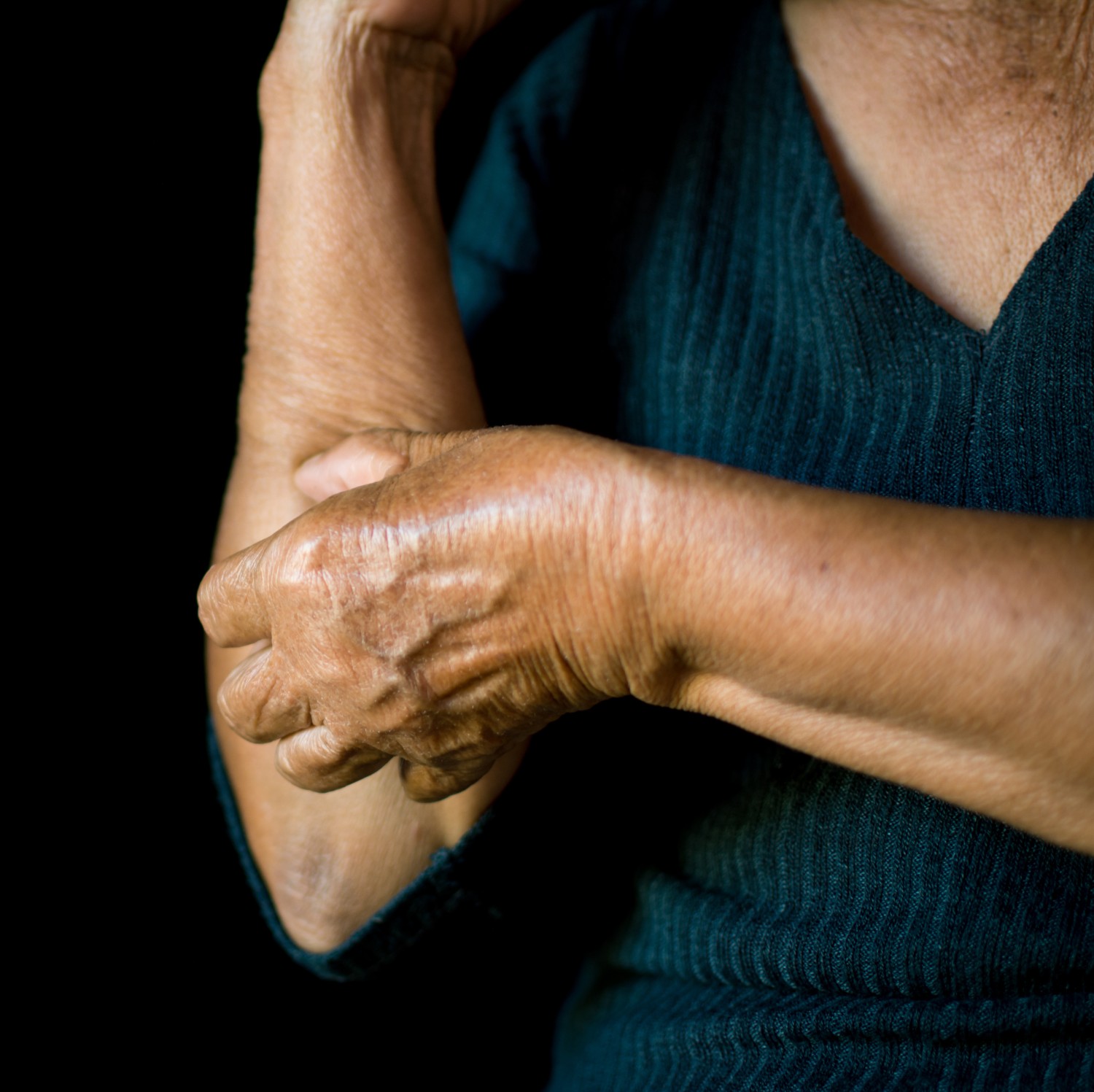
Menopause represents yet another turning point. Declining estrogen levels can alter skin barrier function and inflammation, leading to worsening symptoms for some women.6 Across every phase of life, visibility matters. Atopic dermatitis and psoriasis are conditions that show – and women frequently bear the social consequences of that visibility. Studies of young women with eczema and psoriasis reveal a troubling pattern: many feel belittled twice over, first through social stigma, and again in healthcare settings where their concerns may be minimized or dismissed.10,2 When a condition affects appearance, comfort, and confidence, it can quietly shape identity.
Moving Beyond One‑Size‑Fits‑All Care
The good news is that there is growing recognition of the lived experience of women, and this presents a real opportunity. Addressing the full burden of atopic dermatitis and psoriasis requires moving beyond one‑size‑fits‑all approaches to care.
This means investing in research that examines how hormonal changes at every stage of life interact with skin disease, and in clinical trials that include women in meaningful numbers, so findings are truly applicable to them. It also means expanding treatment options and recognizing that what works for one person – or one life stage – may not work for another.
A Committed Partner to Patients and the Dermatology Community
For more than seven decades, Organon’s dermatology portfolio has been grounded in clinical data and global reach. Today, this portfolio includes 11 topical medicines available in more than 70 countries, addressing conditions such as atopic dermatitis, psoriasis, fungal infections, and other chronic inflammatory skin diseases.
Our global presence helps equip healthcare professionals with the options and resources they need to provide individualized care for millions of patients worldwide, including women navigating these conditions across different life stages.
Beyond medicines, Organon is proud to partner with the dermatology advocacy community. Through collaborations with organizations such as the National Eczema Association, the National Psoriasis Foundation, and the Women’s Dermatological Society, we support education, resources, and programs designed to support patients suffering from these conditions.
With continued investment, inclusive research, and strong partnerships, there is an opportunity to move beyond fragmented care and toward a future where women’s skin health is understood, supported, and treated as an essential part of women’s overall health.
- Alhomieed MF, Al Hartany LO, Alghorab MA, et al. The Effect of Pregnancy on Dermatological Disorders: A Systematic Review. Clin Pract. 2025;15(4):68. Published 2025 Mar 21. doi:10.3390/clinpract15040068
- Wollenberg A, Gooderham M, Katoh N, et al. Patient-reported burden in adults with atopic dermatitis: an international qualitative study. Arch Dermatol Res. 2024;316(7). doi:10.1007/s00403-024-03130-w
- Balakirski G, Novak N. Atopic dermatitis and pregnancy. J Allergy Clin Immunol. 2022;149(4):1185-1194. doi:10.1016/j.jaci.2022.01.010
- Munera-Campos M, Carrascosa JM. Atopic Dermatitis: Fertility, Pregnancy, and Treatment Perspectives. Am J Clin Dermatol. 2024;25(1):55-66. doi:10.1007/s40257-023-00821-4
- Gottlieb AB, Ryan C, Murase JE. Clinical considerations for the management of psoriasis in women. Int J Womens Dermatol. 2019;5(3):141-150. doi:10.1016/j.ijwd.2019.04.021
- Cassalia F, Lunardon A, Frattin G, Danese A, Caroppo F, Fortina AB. How hormonal balance changes lives in women with psoriasis. J Clin Med. 2025;14(2):582 . doi:10.3390/jcm14020582
- Salaffi F, Carotti M, Gasparini S, Intorcia M, Grassi W. The health-related quality of life in rheumatoid arthritis, ankylosing spondylitis, and psoriatic arthritis: a comparison with a selected sample of healthy people. Health Qual Life Outcomes. 2009;7:25. Published 2009 Mar 18. doi:10.1186/1477-7525-7-25
- Lim DS, Bewley A, Oon HH. Psychological Profile of Patients with Psoriasis. Annals of the Academy of Medicine, Singapore. 2018 Dec;47(12):516-522. DOI: 10.47102/annals-acadmedsg.v47n12p516. PMID: 30636268.
- Barenbrug L, van Ee I, van der Molen RG, de Jong EMGJ, van den Reek JMPA. Family planning and pregnancy among patients with psoriasis: Incorporating the patients’ voice in healthcare practice and information provision. J Dermatolog Treat. 2025;36(1):2532676. doi:10.1080/09546634.2025.2532676
- Kapur S, Shah S, Reddy A, et al. From skin to mind: The psychological consequences of psoriasis severity and approaches to coping. Int J Res Dermatol. 2025;11(5):456-461. doi:10.18203/issn.2455-4529.intjresdermatol20252558